Article: You're In This Too
You're In This Too

How do I support someone going through cancer treatment?
Start by showing up and staying. This guide covers what actually helped the people who loved us through it, what to say, what to do, and how to take care of yourself while you're taking care of them.
When someone you love is diagnosed with cancer, everything shifts.
Their appointments, treatment plan, symptoms, fears, decisions, and needs move to the center of the room. And because you love them, you start looking for ways to help.
You listen. You check in. You research. You drive. You send the text. You try to say the right thing. You try not to make it about you.
And that's exactly why we wanted to make space for you here.
Because supporting someone through cancer can bring up a lot. Love, fear, helplessness, pressure, guilt, hope, exhaustion. Not always at once. Not always every day. But enough that it deserves to be acknowledged.
This is not the same experience as being the person in treatment. We would never pretend that it is. But loving someone through cancer is still its own kind of hard.
We know because we were surrounded by people who loved us through it. And we also know what it feels like to love someone through it from the other side. To want so badly to make it easier. To realize that sometimes the most powerful thing you can offer is your steady presence.
So if you're here because you want to show up well, you're in the right place.
Support Looks Different For Everyone
There is no one perfect way to love someone through cancer.
Some people become the appointment person. Some become the food person. Some become the research person. Some become the person who sends the funny meme at exactly the right time. Some sit quietly nearby and make the room feel less lonely.
All of it can matter.
Support does not always have to be dramatic to be meaningful. Sometimes it is a ride to treatment. Sometimes it is remembering the appointment time. Sometimes it is dropping off dinner and not expecting a visit. Sometimes it's saying, "You don't have to answer this. I just love you."
What matters most is not doing it perfectly. It is staying connected in a way that feels honest, useful, and sustainable.

What Actually Helps
We were lucky. Completely, incredibly lucky. Both of us were surrounded by people who showed up in ways we could not have anticipated and will never forget. Friends, family, colleagues, and people we had never met from around the world. Prayer circles. Meal trains. People flying in. People texting from across the country just to say they were thinking of us.
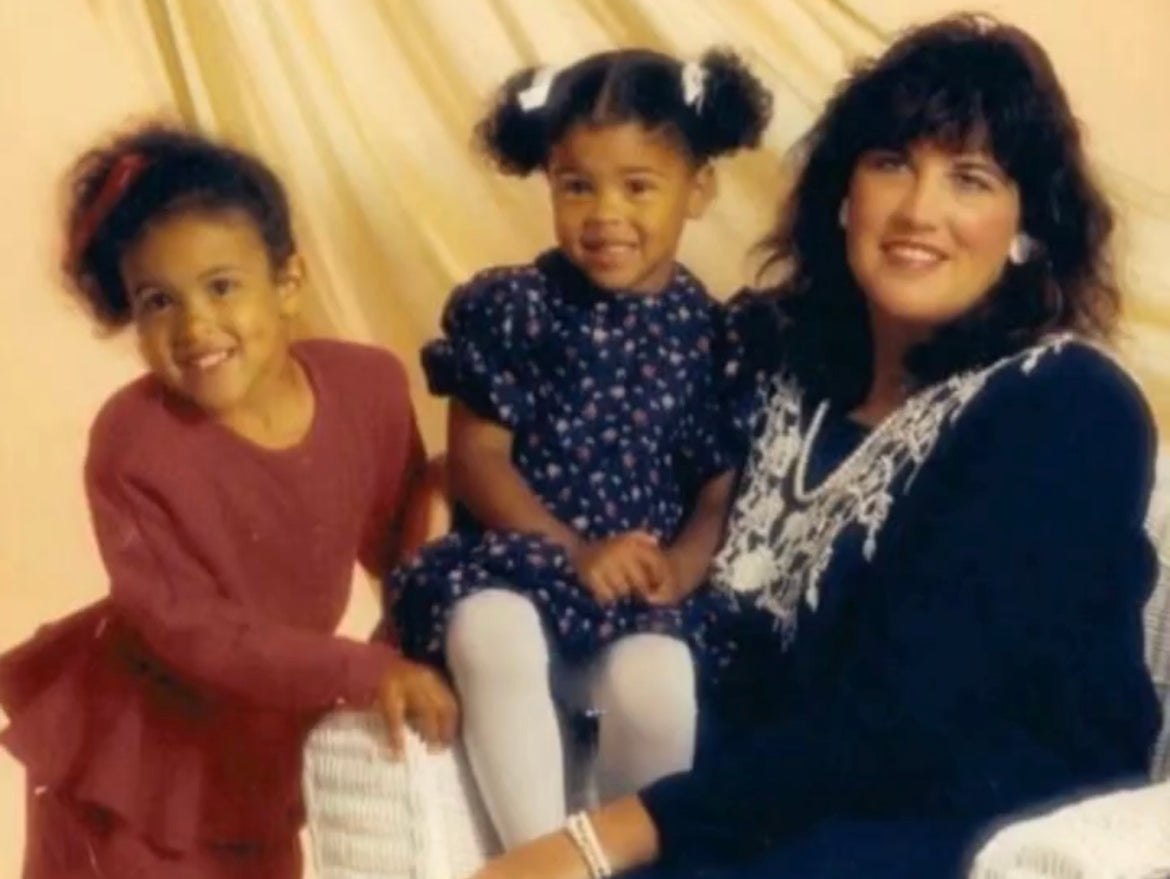
Due to the pandemic, our mom, Kim, was in Washington State when Kesley got her diagnosis in Los Angeles. The miles felt, in her words, like she was on the moon. She wasn't able to be in every room or at every appointment, but she still found ways to be present. She checked in. She worried. She loved from where she was. And sometimes that is what support looks like too.
The most helpful people were not always the people with the perfect words. They were the people who stayed.
What helped most looked like this:
- They let us rant and cry without trying to fix it, reframe it, or force a silver lining. They didn't need us to perform positivity so they could feel less uncomfortable. They just let the moment be what it was.
- They did the research when our brains were too overwhelmed. They compared options, read the articles, and helped us understand what questions to ask.
- They handled logistics without being asked. The meal train did not appear because we organized it. Someone else had the energy to do that. That is one of the most loving things a person can do: take something off the list before it becomes one more thing to manage.
- They drove. They sat in waiting rooms. They came to appointments not because they had to, but because being there mattered.
- And maybe most importantly, they kept showing up after the first wave of news passed. The no-need-to-respond texts weeks later mattered. The check-ins after surgery mattered. The I'm still here energy mattered.

CQ Advice
Cancer support gets very loud in the beginning, and then life starts moving on for everyone else. But the ones who keep showing up every day or week are the ones we never forget. Especially when it's over.
You Don't Need The Perfect Words
A lot of people go quiet because they are scared of saying the wrong thing. But silence can feel worse than imperfect words.
You don't need a big speech. You don't need to be perfectly positive. You don't need to know how to make any of it better.
Some of the most meaningful things you can say are also the simplest:
"I don't know what to say, but I'm not going anywhere."
"You don't have to protect me from how you really feel."
"I'm bringing dinner Thursday at 6. Does that work?"
That last one matters more than it sounds. The most helpful offer is almost never "let me know if you need anything." That puts the work back on someone who is already tapped out. Make the decision so they don't have to make one more.
A few specific ways to help:
- Bring the food.
- Do the laundry.
- Drive to the appointment.
- Pick up the prescription.
- Sit in the waiting room.
What not to say
- "Everything happens for a reason." No.
- "At least..." anything. There is no at least right now.
- "You've got this." This can land wrong when someone needs permission to have a hard day.
- "I know exactly how you feel." Unless you have been through it, you don't. And that's okay.
What works instead: "I'm here. I love you. I'm not going anywhere." That's enough.
The Emotional Side And The Loneliness Of It
Supporting someone through cancer can bring up feelings that are hard to say out loud. Fear. Protectiveness. Helplessness. Guilt. Hope. Exhaustion. Sometimes all on the same Tuesday.
Some supporters feel guilt when they have their own hard moments. They think, they're the one with cancer, I shouldn't be upset. But care does not work that way. Someone else's pain does not erase your own.
Your world can also get smaller in this. You may stop telling people how things really are because you don't want to betray their privacy, or because you are tired of explaining the same update over and over. Meanwhile, life outside keeps moving, and you are tracking appointment times, medication schedules, side effects, and what they said they could tolerate eating this week.
That gap can feel isolating. And if you have ever felt strange watching the world continue on while yours feels suspended, you are not a bad person. You are carrying a lot.
CQ Advice
You need people, too. People who can sit with the truth of it all and hold space for YOU! When you're ready, say yes to one thing that reminds you there is still a world outside of this. One coffee. One walk. One phone call with someone who knew you before all of this. You don't have to explain everything. You just get to be a person for a minute.
Celebrate What Deserves To Be Seen
When Blythe finished treatment, Kesley bought a bell for her to ring because her clinic didn't have one. Friends gathered outside. There was not a dry eye.
That moment mattered because someone said, "This deserves to be remembered."
Mark the milestones. The first treatment down. The last treatment. The surgery recovery wins. The scan that comes back clear. The hard day survived. The moment they finally laugh again and sound like themselves for two seconds.
It does not always have to be a party. It just needs to be seen.

The Bell Collection
If someone you love is in treatment, finishing treatment, waiting on a scan, or moving into life after cancer, gifting them a bell is a way to say: I see what this took. I'm proud of you. And I want you to have something that marks this chapter.
Explore The Bell Collection
Taking Care Of Yourself Is Part Of Showing Up
You staying whole is part of how you keep showing up for them. That is not selfish. That is sustainable.
Take the walk. Make the phone call. Sit in silence for ten minutes without trying to solve anything. Go to therapy. Eat something real. Let someone bring you food, too.
You are allowed to have your own fear, grief, anger, and exhaustion. Just make sure you have somewhere safe to put it.
What happens after treatment ends deserves acknowledgment too. For a long time, you may have been the organizer, the driver, the researcher, the protector. Then one day that role changes. There is no clean way back to normal, not for them and not always for you either. Give yourself time. Let things settle. Let people ask about you for once.

From Kesley + Blythe
If you are here because you love someone and you want to do right by them, that matters more than you know.
You don't have to be perfect. You don't have to say everything exactly right. You don't have to fix what cannot be fixed.
Just keep showing up in ways that are honest, useful, and real. And please let yourself be supported too. This space is not only for the person going through treatment. It is for the people who love them.
You're in this, too.